


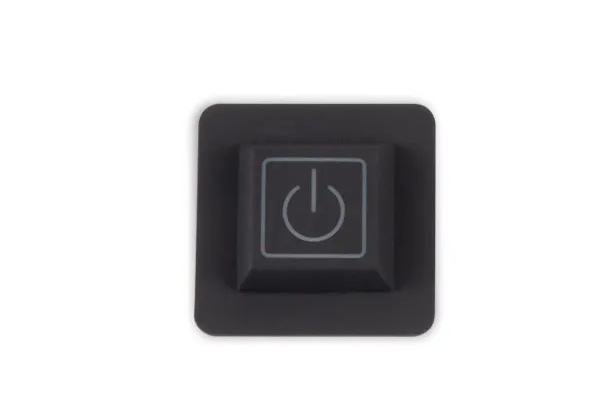
In our daily lives, from the power buttons on mobile phones to the function keys on remote controls, from the control buttons on car dashboards to the operation buttons on medical devices, silicone rubber single buttons can be found everywhere. These seemingly ordinary components, with their unique properties and advantages, have become an essential part of many electronic products. This article will delve into silicone rubber single buttons, exploring their manufacturing processes and practical application cases.
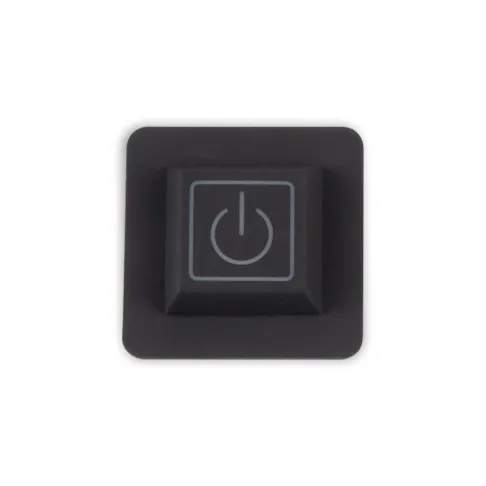
Detailed Process of Silicone Rubber Single Buttons
Material Selection
- Made from high-quality silicone rubber, the buttons possess the unique characteristics of silicone. The material is soft, safe, and environmentally friendly.
Laser Engraving Process
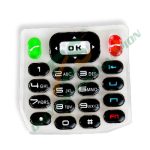
- The laser engraving process is used to create clear characters that can achieve a light-transmitting effect. Even in low-light environments, the buttons remain easy to operate, enhancing efficiency.
Surface Treatment Technology
- The surface is coated with a tactile oil, giving the buttons a smooth, high-quality feel. This treatment also provides dust resistance, wear resistance, and weather resistance. The buttons have an elegant appearance and are resistant to aging.
Case Studies of Silicone Rubber Single Buttons
Smartphone Power Button
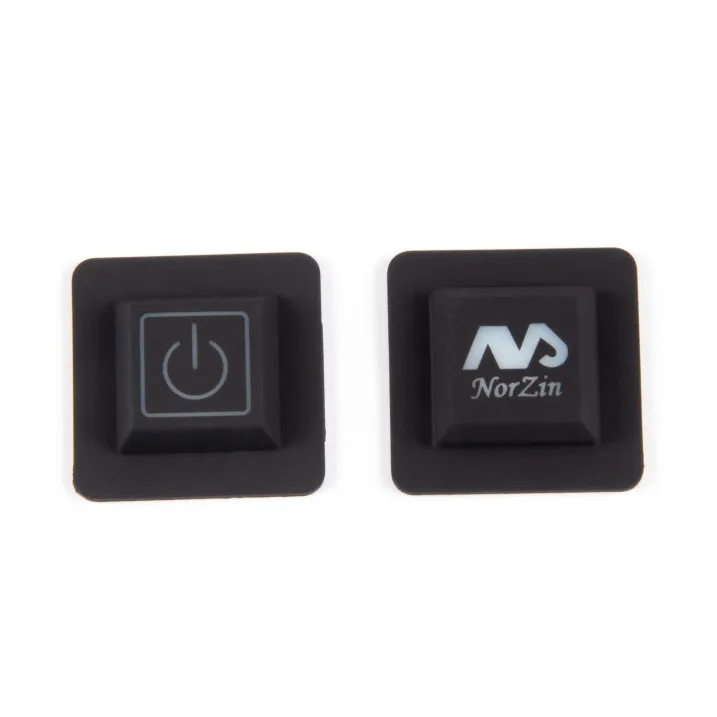
- The power button of a smartphone requires extremely high reliability and a comfortable feel. A certain brand uses a silicone rubber single button, with the travel optimized to 0.3 millimeters and the rebound force set at around 150 grams, providing a comfortable and clear tactile feedback. The laser-engraved characters not only make the button wear-resistant and fingerprint-resistant but also enhance the overall quality, effectively ensuring the lifespan and user experience of the phone.
Car Dashboard Control Buttons
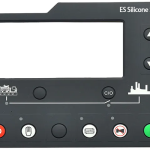
- The operating environment for cars is complex, with high temperatures, vibrations, and dust placing strict demands on the performance of dashboard buttons. A certain company uses silicone rubber single buttons that can work stably due to their resistance to high and low temperatures and aging. The buttons feature anti-slip textures and antibacterial treatments on the surface, which not only improve the convenience and safety of driving operations but also inhibit bacterial growth. Additionally, the good sealing performance of the buttons can block dust and moisture, effectively protecting the electronic components inside the dashboard.
Medical Device Operation Buttons
- Medical devices have extremely strict requirements for the safety, hygiene, and reliability of operation buttons. In a portable electrocardiogram (ECG) machine, silicone rubber single buttons are used as operation buttons. The surface of the buttons is treated with a special antibacterial coating that effectively inhibits the attachment and proliferation of bacteria and viruses, making them easy to clean and disinfect and meeting the hygiene requirements of medical settings such as hospitals. Moreover, the buttons are designed with IP68 protection and dust resistance, providing accurate and reliable feedback for medical staff.
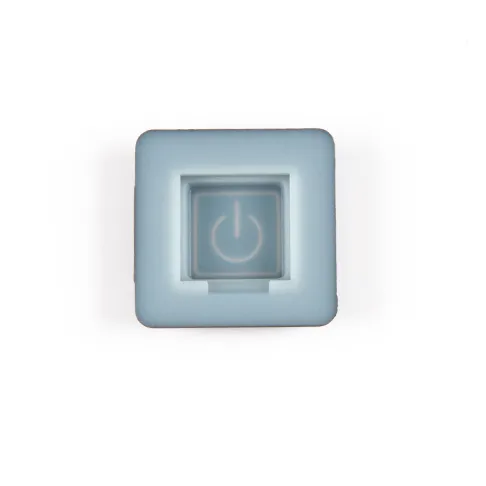
As a fundamental component of human-machine interaction, silicone rubber single buttons quietly bear the brunt of billions of button presses every day. These elastomer buttons made from silicone rubber, with a lifespan of over 500,000 presses and IP68-level waterproof performance, have been widely used in home appliances, medical devices, car dashboards, and other scenarios.
发表回复