


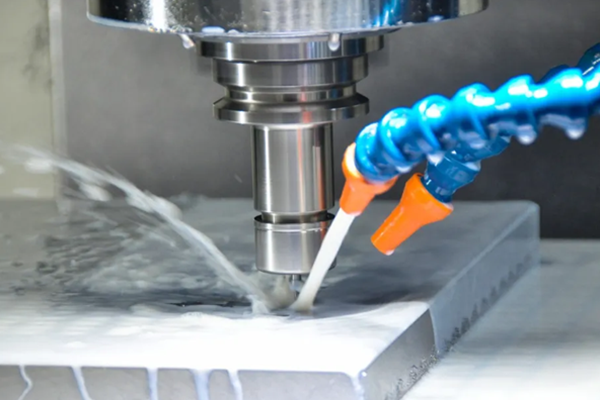
When it comes to silicone mold opening, many clients who are new to silicone products and need to manufacture silicone items may feel unfamiliar. They may not know how to distinguish between prototype molds and production molds, nor the differences between the molds produced by these two types. Let’s take a detailed look at them today.
What is a prototype mold?
A prototype mold, also called a test mold, refers to a mold used when a client wants to verify the effect of a sample or test whether the production of a sample with a complex structure is feasible.
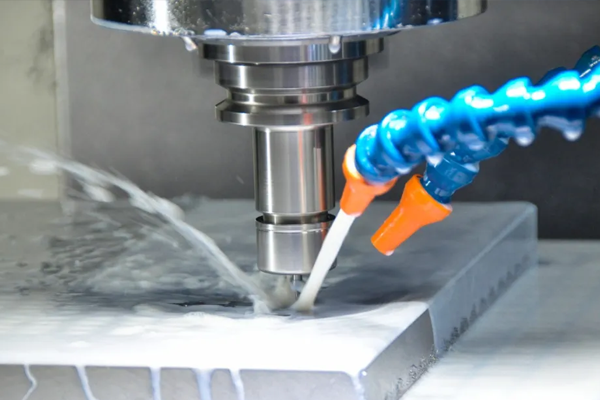
What is a production mold?
A production mold is a mold that can be used for mass production after the sample’s shape, assembly structure, and other aspects have been confirmed and successfully tested.
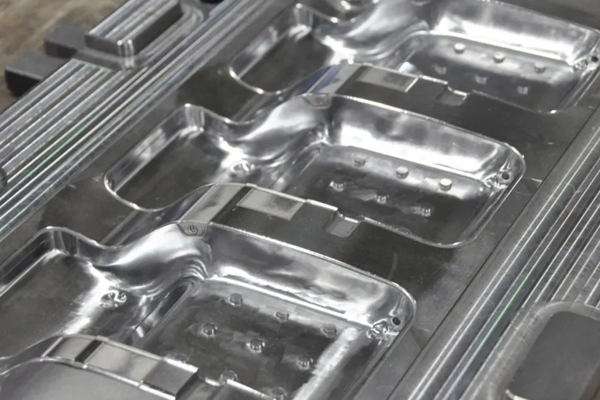
Why open a prototype mold for silicone products?
- First, when the size and structure of a newly developed silicone product are not yet fully determined, it is best to open a prototype mold first for sampling and adaptation. This facilitates mold modifications that may be needed due to subsequent adjustments to the product’s size and structure.
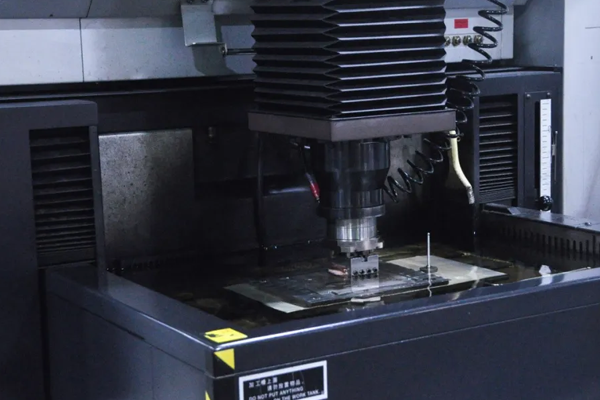
- Second, when the assembly structure of a product is not yet confirmed, it is essential to open a prototype mold for sampling, again to facilitate mold modifications. If there is no design drawing, the mold can only be made by copying the sample and redrawing based on the copied data. For silicone products with slightly complex structures, it is recommended that clients open a prototype mold first.
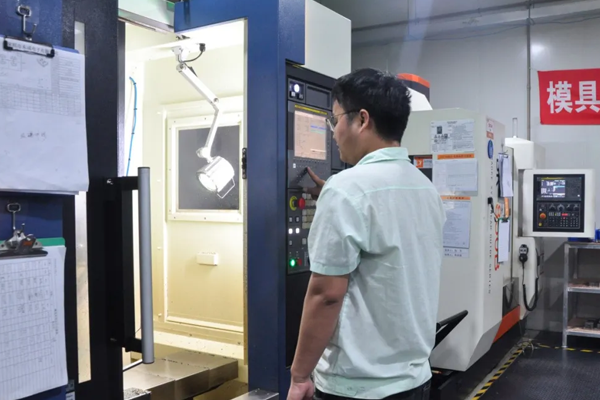
Prototype molds for silicone products are mainly designed to facilitate mold modifications. The time required for opening and modifying a prototype mold is much shorter than that for a mass-production mold. They also help avoid mold scrapping due to excessive modifications—if scrapping occurs, it will only be for one prototype mold, with a cost far lower than that of a mass-production mold.
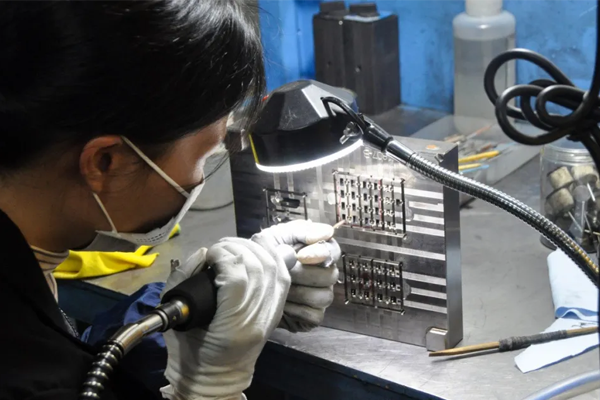
Opening a prototype mold first can effectively reduce the risk of opening a silicone mold. Modifying a prototype mold has little impact on the mold itself. Once the product’s size and structure are confirmed using the prototype mold, the mass-production mold can be directly made based on the prototype mold’s design in one go. This effectively reduces the number of modifications needed for the mass-production mold and stabilizes the quality of subsequent silicone product production.

发表回复