


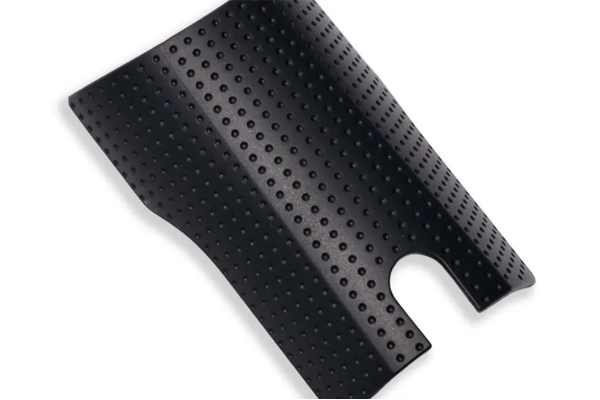
In modern industrial applications, sealing and anti-slip properties are indispensable for many devices and components. As a high-performance and adaptable sealing and protective material, silicone textured gaskets have been widely used in electronics, automotive, medical, machinery, and other industries, thanks to their excellent physical properties and flexible design.
In this article, Dongcheng will systematically discuss the texture design, mold development, forming processes, functions, and values of silicone textured gaskets, combined with relevant cases we have produced for clients.
First:Texture Design of Silicone Gaskets
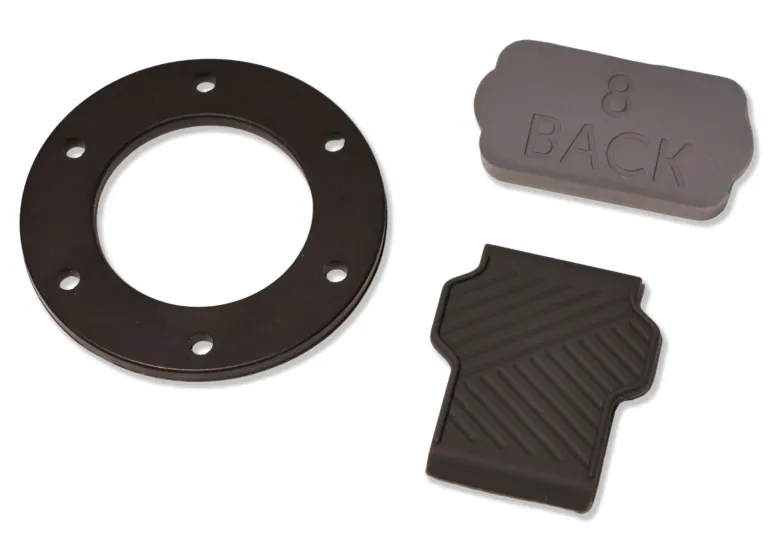
The most significant difference between silicone textured gaskets and traditional smooth gaskets lies in their surface design. Surface textures serve more than just an aesthetic function; they primarily enhance friction, anti-slip performance, sealing ability, and achieve specific functions (such as flow guiding, shock absorption, heat dissipation, etc.).
Common texture types include:
One.Grid Pattern/Leather Texture: Enhances friction, commonly used for anti-slip protection.
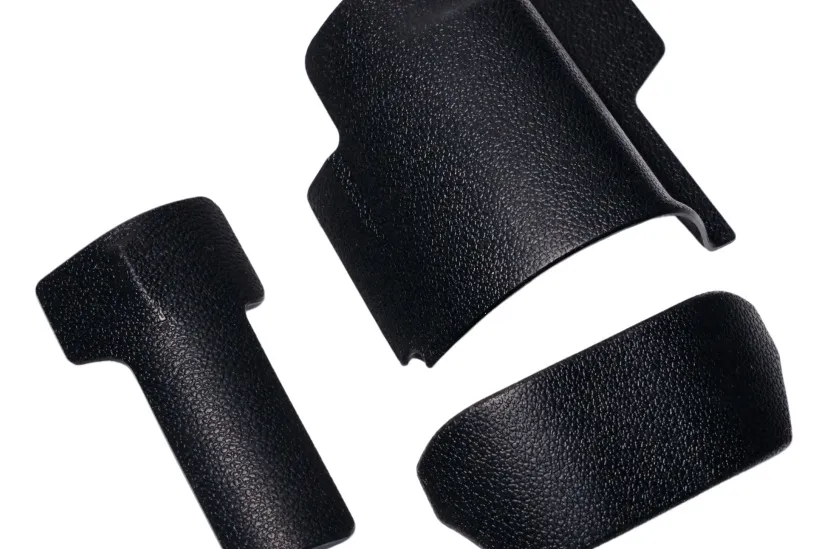
Two.Wave/Striped Pattern: Improves sealing deformation after compression and enhances rebound performance.
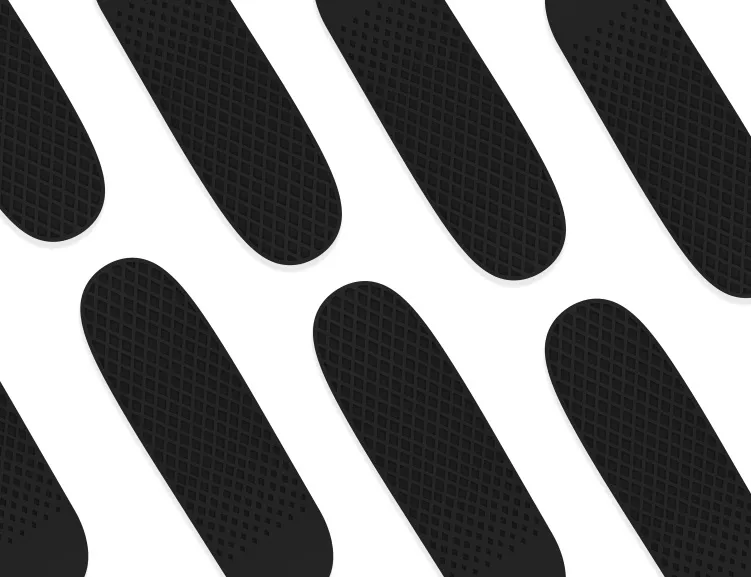
Three.Honeycomb Grooves: Used for heat dissipation and shock absorption.
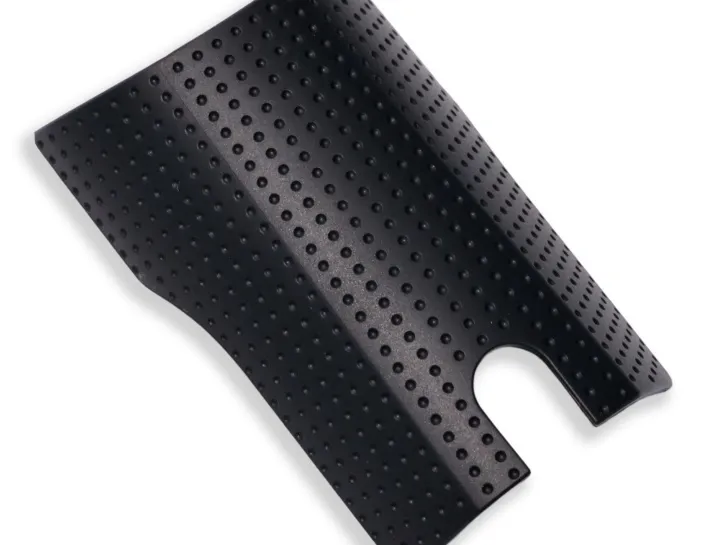
Four.Directional Flow-Guiding Patterns: Controls the flow direction in liquid or gas environments.
Second:Mold Development for Silicone Gaskets
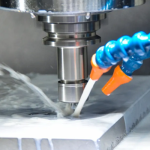
Mold development requires precise processing based on texture design. High-precision engraving is typically carried out on metal molds (common materials such as S136, H13, etc.) using CNC numerical control equipment to ensure clear texture details and high repeatability. The surface texture of the mold directly determines the pattern and hand feel of the finished gasket.
Texture development is usually achieved through the following technologies:
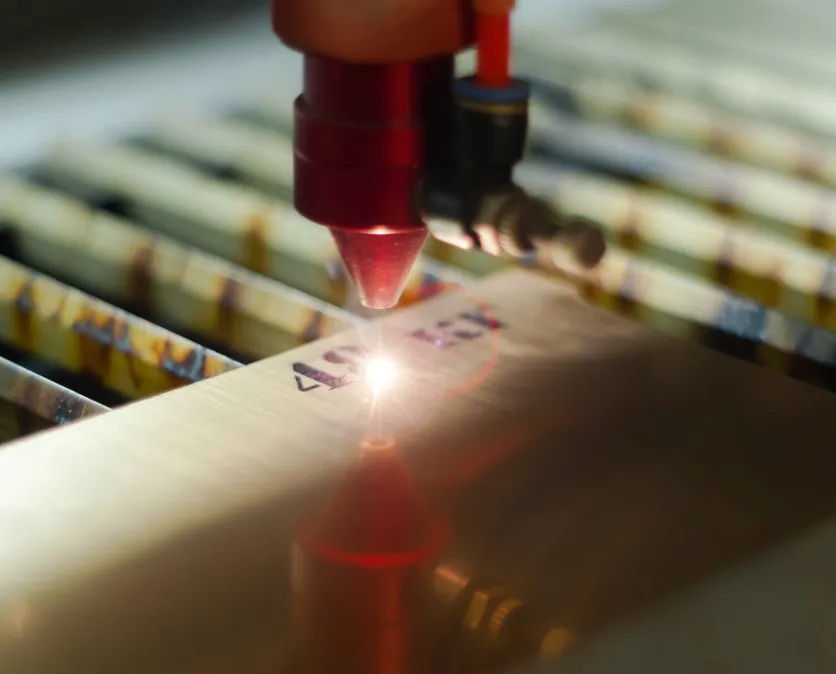
One.Laser Etching: Used to create high-precision micro-scale textures.
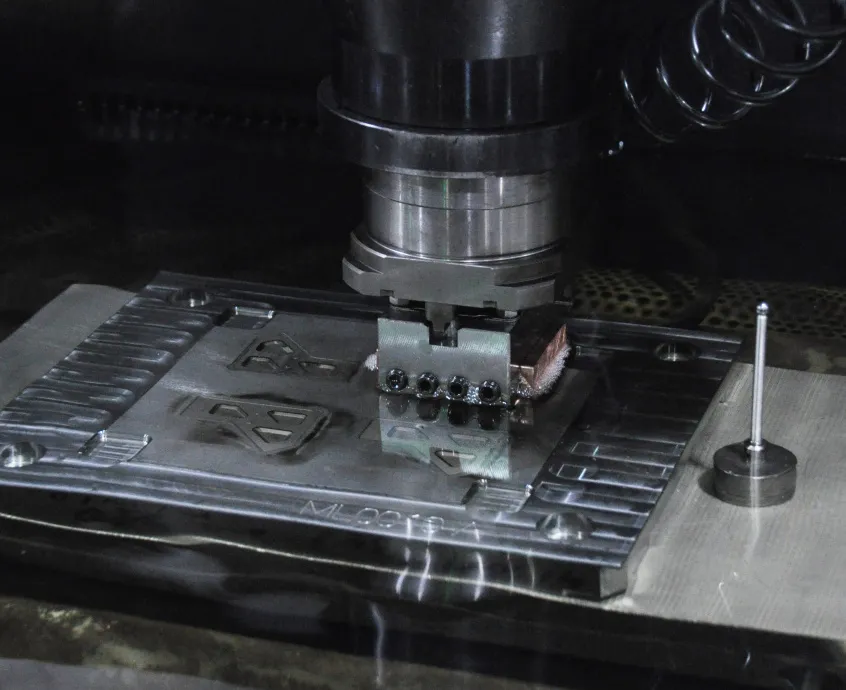
Two.Electrical Discharge Machining (EDM): Suitable for rough granular textures
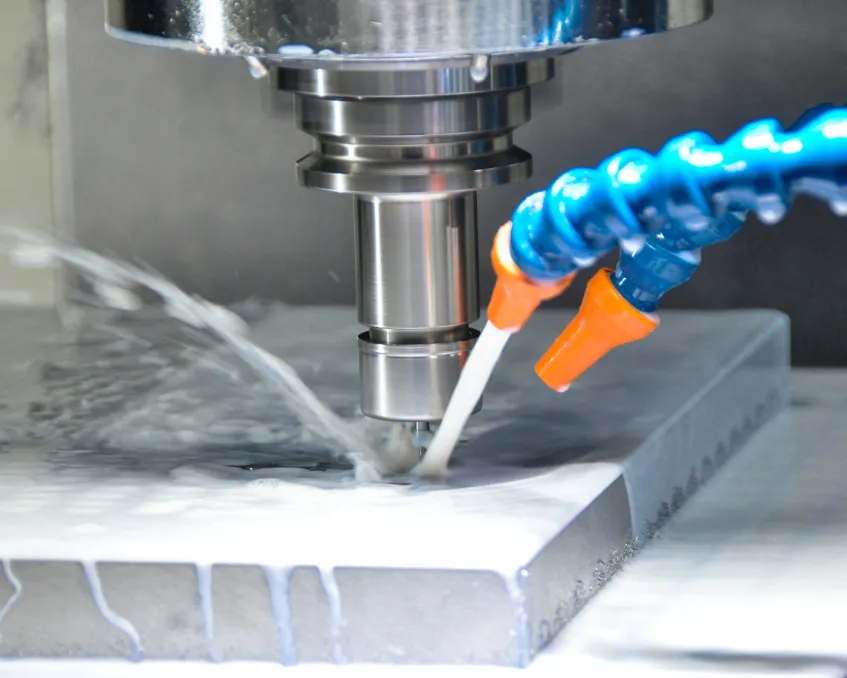
Three.NC Engraving: Suited for textures with variable patterns and distinct layers.
The mold surface must undergo hardening treatment to enhance wear resistance and ensure the stability of texture quality.
Third:Forming Processes for Silicone Gaskets
The forming process of silicone gaskets is a key technology that directly affects the fitting effect, sealing performance, and durability of the gaskets. This process typically adopts liquid silicone rubber (LSR) injection molding or compression molding.
- LSR Injection Molding is suitable for high-precision and complex-shaped gaskets. Liquid silicone is injected into the mold under high pressure to ensure that each texture shape is delicate and uniform.
- Compression Molding is suitable for mass production. Silicone raw materials are cured by heating and pressing. The key to this process is controlling temperature, pressure, and time to ensure uniform flow and shaping of the silicone during forming.
After forming, silicone gaskets undergo post-processing steps such as cooling, deburring, and cutting to ensure smooth surfaces and accurate dimensions, ultimately meeting usage standards.
Fourth:Functions and Values of Texture Design
Silicone textures are not only visual decoration but also carry functional objectives, such as:
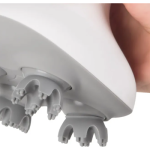
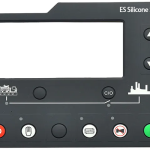
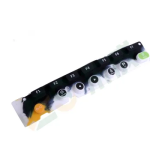
One.Enhanced Anti-Slip Performance: Particularly suitable for contact areas like operation buttons and handle seals.
Two.Guiding and Assembly Function: Some precision gaskets provide mechanical positioning references through texture structures.
Three.Shock Absorption and Buffering: Achieves force dispersion through concave-convex structures.
Four.Brand Recognition and Aesthetic Design: In consumer electronics and smart wearable devices, customized textures help with brand differentiation.
As a multi-functional sealing component, silicone textured gaskets play an irreplaceable role in modern manufacturing. Their production is not only a combination of materials science and forming technology but also imposes high requirements on precision mold manufacturing and quality control systems.

发表回复